Compare Local Contractors for Boundary Fence Installation
Compare local contractors for boundary fence installation to define project scope, verify experience, and set clear expectations in writing for a successful outcome.
Boundary fence installation typically involves constructing a barrier along the perimeter of a property to establish clear boundaries, enhance privacy, and improve security. The scope of this work can include selecting appropriate fencing materials such as wood, vinyl, chain link, or metal, as well as preparing the ground, setting posts, and ensuring the fence is properly anchored and aligned. Depending on the property’s layout and specific needs, contractors may also handle additional features like gates, decorative elements, or privacy screens. Clarifying what the project entails helps ensure that all parties have a shared understanding of the work involved and the standards expected.
Defining the scope of boundary fence installation is essential for setting clear expectations and avoiding misunderstandings. Property owners should work with contractors to specify details such as the type of fencing, height, length, and any special requirements like reinforcement or aesthetic considerations. Having a written outline of the project scope helps facilitate accurate communication, allows for better comparison between different service providers, and provides a reference point for resolving any issues that might arise during or after installation. Properly scoped work also supports a smoother process by establishing agreed-upon deliverables and responsibilities.
When comparing local contractors for boundary fence installation, property owners should consider experience with similar projects, the range of services offered, and their reputation within the community. It is helpful to review references or previous work to assess the quality of craftsmanship and professionalism. Additionally, obtaining detailed proposals that outline the scope of work in writing allows for straightforward comparisons and helps identify any variations in approach or included services. Focusing on the contractor’s ability to clearly communicate and deliver on the defined scope can contribute to a successful fencing project that meets the property owner’s needs.
Compare local contractors by outlining project priorities, verifying experience, and establishing clear scope and expectations in writing.
- Compare Contractor Expertise - Review the experience and specialization of local contractors to ensure they can handle boundary fence installation.
- Define Project Scope Clearly - Establish detailed project requirements and expectations before engaging with service providers.
- Verify Credentials and References - Check references and past work to assess the reliability and quality of local contractors.
- Document Agreements in Writing - Ensure all project details, responsibilities, and expectations are documented in a formal agreement.
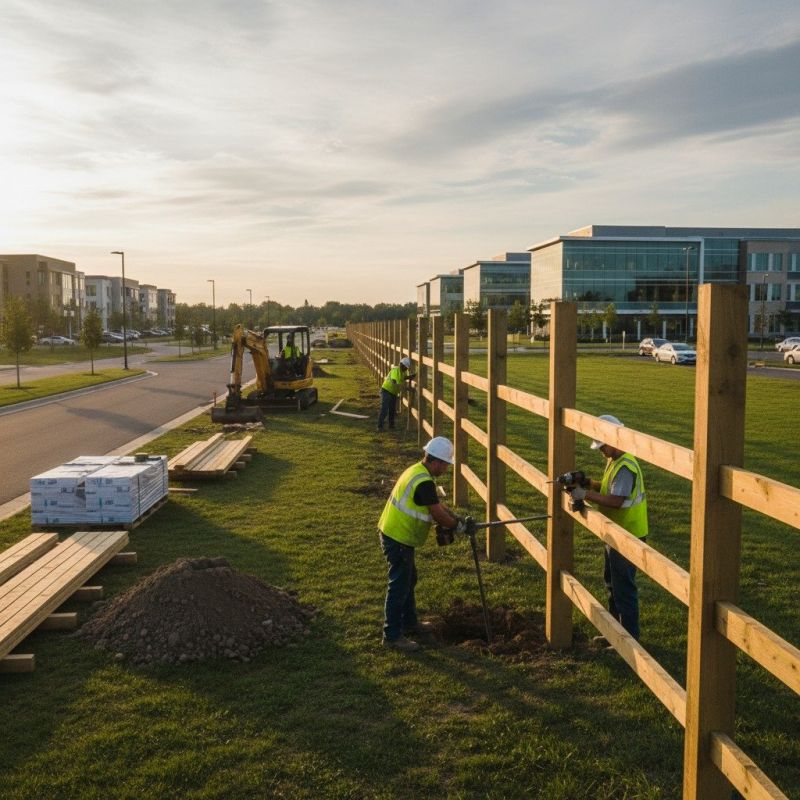
Clearly define your boundary fence project and compare local contractors based on experience, scope, and written expectations.
- Verify experience and references of local contractors for boundary fence installation. - Ensure contractors have a proven track record with similar fencing projects in the area.
- Define the scope of work clearly in writing, including materials, height, and boundary lines. - Precise documentation helps prevent misunderstandings and scope creep.
- Check that contractors understand local regulations and property boundary requirements. - Compliance with local codes ensures the fence installation is lawful and properly positioned.
- Compare multiple service providers to assess their expertise and approach to boundary fencing. - Gathering options allows for better evaluation of each contractor’s methods and professionalism.
- Request detailed written estimates that specify the work to be performed and materials used. - Clear estimates provide a basis for comparing services and setting expectations.
- Discuss and agree upon project timelines, responsibilities, and communication methods upfront. - Establishing expectations early helps ensure a smooth installation process.
Compare local contractors’ experience and reviews to help define your boundary fence project scope clearly.
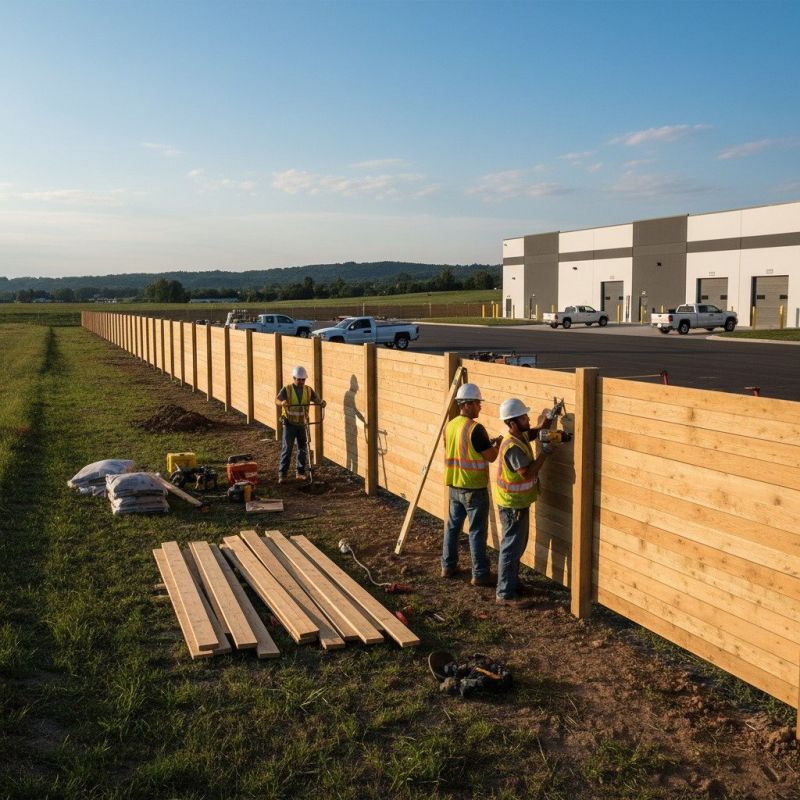

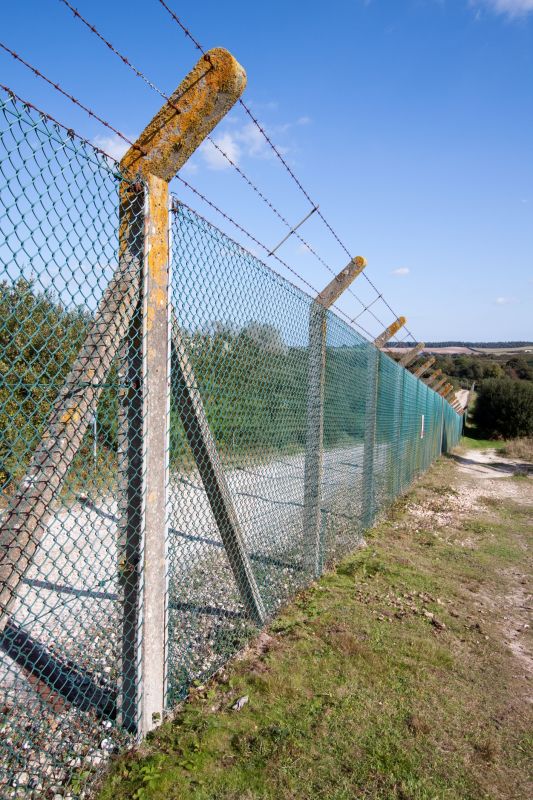
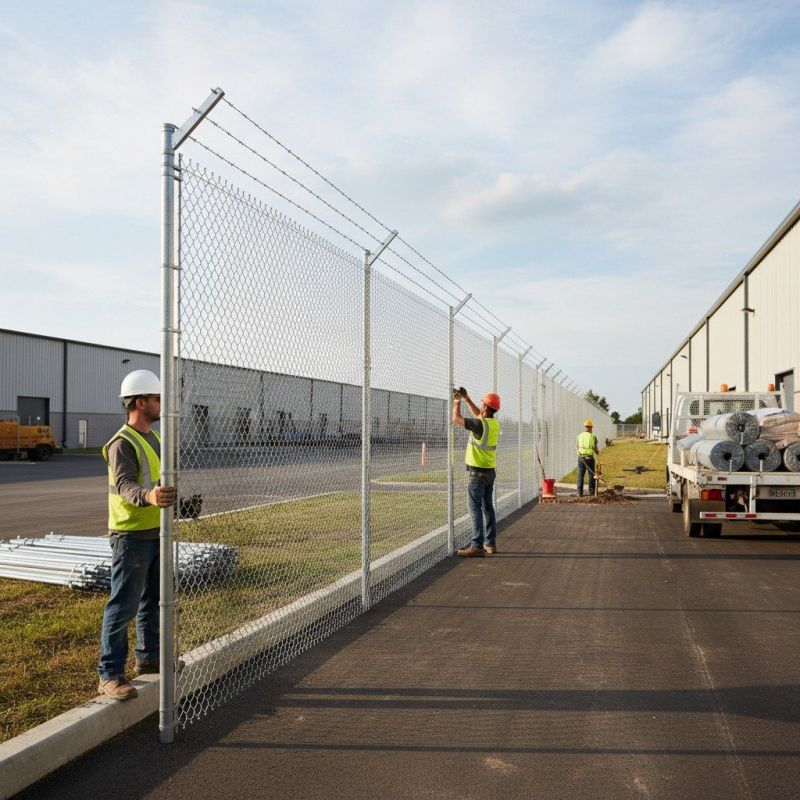
Use consistent comparison criteria across local contractors by clearly defining scope, verifying experience, and setting expectations in writing.
- Property boundaries - clearly identify and mark property lines to ensure proper fence placement.
- Material specifications - define the types of fencing materials to be used and their durability.
- Design and layout - determine the fence height, style, and layout to match property requirements.
- Installation responsibilities - specify the scope of work, including excavation, post setting, and fencing installation.
- Permitting and regulations - verify local regulations and obtain necessary permits before beginning work.
When comparing contractors for boundary fence installation, it is important to evaluate their experience with similar projects. Look for service providers who have a proven track record of completing fence installations in comparable environments or with the same materials you plan to use. Inquiring about previous work can help determine if a contractor has the necessary familiarity with local site conditions, regulations, and common challenges. This background can contribute to a smoother process and a more predictable outcome.
A clear, written scope of work is essential when assessing different contractors. The scope should detail what is included in the project, such as the type of fencing, the length and height, materials, and any preparatory work needed. A well-defined scope helps prevent misunderstandings and ensures that both parties are aligned on expectations. Service providers who can articulate their approach and provide a comprehensive written plan demonstrate professionalism and transparency, making it easier to compare their offerings objectively.
Verification of a contractor’s basics involves confirming their experience, reputation, and methods. Request references or examples of completed projects similar in scope. Ask how they handle common issues like property line disputes or existing landscaping. Additionally, verify that the contractor’s proposed approach aligns with local regulations and best practices. While licensing and certification are not explicitly discussed here, understanding a contractor’s general approach and reputation can help gauge their reliability and suitability for the project.
Evaluating options without focusing on prices involves examining how each contractor defines their scope, communicates their process, and demonstrates experience. Review their descriptions of the work to see if they address potential challenges and outline steps for project completion. Consider how well they understand the specifics of your site and whether their proposed methods seem appropriate. Comparing these qualitative factors can help identify service providers who are capable and prepared to deliver the desired results, ensuring a smooth and well-managed boundary fence installation.
Ask contractors to provide written scope details to ensure clear expectations and consistent project understanding.
- Experience and References - What experience do the local contractors have with boundary fence installation projects similar to yours?
- Scope of Work - How will the scope of the fence installation be defined and documented in writing?
- Materials and Design - What types of fencing materials and designs do the local service providers recommend for your property?
- Permits and Regulations - How do the contractors ensure compliance with local regulations and permit requirements?
- Warranty and Service Guarantees - What warranties or service guarantees do the local contractors offer for their fence installation work?
How can I compare contractors for boundary fence installation? To compare local contractors, review their experience, verify their reputation through reviews, and check the scope of services they offer to ensure they meet project needs.
What should I consider when defining the scope of a boundary fence project? Clearly outline the fence length, height, materials, and any additional features or requirements to help contractors provide accurate proposals and ensure expectations are aligned.
How can I verify a contractor’s experience with boundary fences? Ask for details about previous projects, request references, and review any portfolios or examples of similar fencing work to assess their expertise.
Why is it important to get project details in writing? Having a written agreement that specifies scope, materials, and responsibilities helps prevent misunderstandings and provides a clear reference for the project’s expectations.
What questions should I ask when evaluating potential contractors? Inquire about their experience with similar fences, the materials they recommend, their process for installation, and how they handle any unforeseen issues during the project.
How can I ensure a contractor’s approach aligns with my project goals? Discuss your project needs in detail, review their proposed scope and methods, and compare how each contractor plans to meet your specific fencing requirements.
Understanding the key aspects of boundary fence installation, including defining the scope of work, verifying the experience of service providers, and setting clear expectations in writing, can help ensure the project meets your needs. Comparing multiple local contractors allows for a better understanding of options and helps identify the best fit for your specific requirements. Utilizing the quote form provides an efficient way to connect with qualified local service providers who can handle the job.
Taking the time to evaluate and compare local contractors ensures you have the information needed to make an informed decision. By using the quote form, you can easily access a selection of experienced service providers ready to assist with boundary fence installation. This approach helps streamline the process of finding the right professionals to meet your project expectations.